


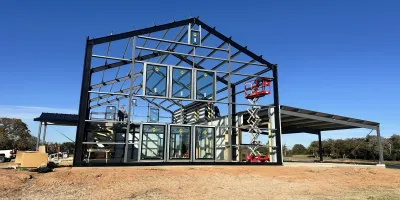


Pre-Engineered Metal Buildings
In-house designed pre-engineered metal buildings developed during the design meeting to match your needs, timeline, and budget, ensuring efficiency, accuracy, and fewer changes from planning through construction.

Whether it’s an RV, tractor, side-by-side, or a daily vehicle, these assets represent major investments. But what many owners overlook is that how — and where — you store your equipment can have a big impact on its long-term value. Failing to properly store your vehicles and machinery doesn’t just lead to cosmetic wear; it can quietly cause mechanical damage, corrosion, and faster depreciation.
Sun, rain, snow, and humidity are relentless enemies of metal and paint. UV rays fade finishes, crack dashboards, and dry out seals. Moisture leads to rust on frames and components, while freezing temperatures can cause fluids to expand and damage internal parts. Over time, what starts as minor wear can turn into costly repairs.
Engines and drivetrains need stable conditions to stay in good shape. Leaving a tractor or side-by-side sitting idle in the elements can lead to fluid breakdown, dry seals, and battery failure. Even tires can suffer from flat spots or dry rot if left unsupported for too long.
Open or poorly sealed storage areas can invite rodents, insects, and debris. Chewed wires, nests in air intakes, and clogged systems are more common (and more expensive) than most owners realize.
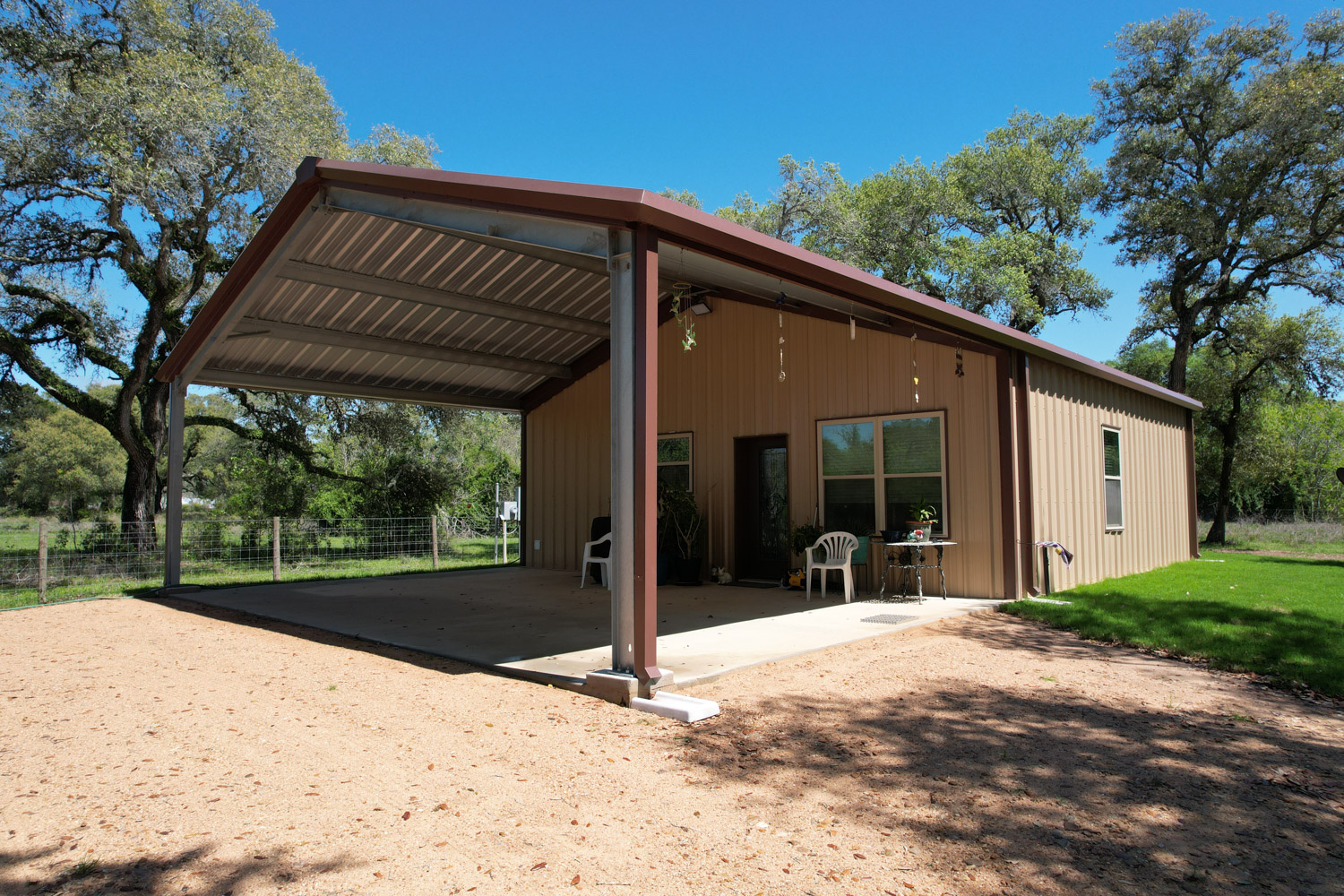
When it comes time to sell or trade, buyers notice the difference between well-stored equipment and neglected machines. Faded paint, rust spots, and interior damage can easily knock thousands off your resale value — even if everything still “runs fine.”
Proper storage isn’t just about keeping your equipment looking good — it’s about protecting your investment. A covered, climate-controlled, or secure storage solution can significantly extend the life and preserve the value of your RV, tractor, or recreational vehicle. In short: a little care now can save you a lot later.
Muleshoe Building assures satisfaction by crafting steel structures that endure, reflecting integrity, innovation, and superior craftsmanship.
What sets Muleshoe apart is our commitment to Texas-tough, built-to-last metal buildings, transparent communication, and full-turnkey solutions. We deliver lasting value that goes beyond the initial investment, built right, start to finish.


