


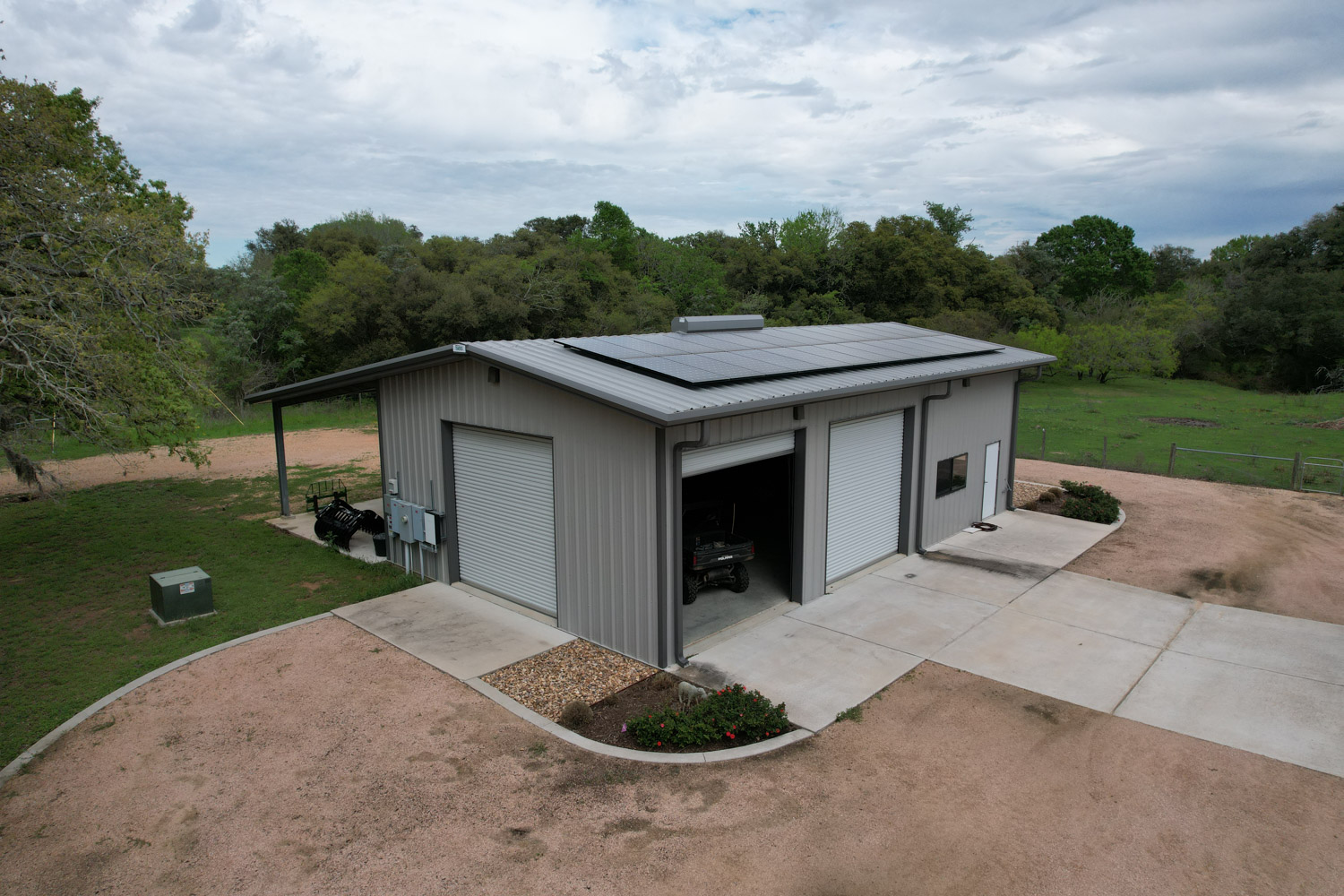


Pre-Engineered Metal Buildings
In-house designed pre-engineered metal buildings developed during the design meeting to match your needs, timeline, and budget, ensuring efficiency, accuracy, and fewer changes from planning through construction.

Flex space, small-bay commercial buildings with divisible units and drive-in access, has become one of the most practical asset types for generating income.
The reason is simple:
It leases well across multiple tenant types.
Instead of relying on a single user, flex space:
But performance isn’t automatic.
The outcome is determined by how the building is designed before construction begins.
In a flex space investment, value is driven less by the structure itself and more by how the property performs.
Key factors include:
These design details create leasing variables. The question is not “what should this building look like?” It’s “how easily will this lease, and to whom?”
The highest-impact decisions happen before construction begins.
During the design planning meeting, the focus is on:
For one project, four smaller units may maximize rent.
For another, two larger units may:
The right layout is market-driven.
This is where value is created.
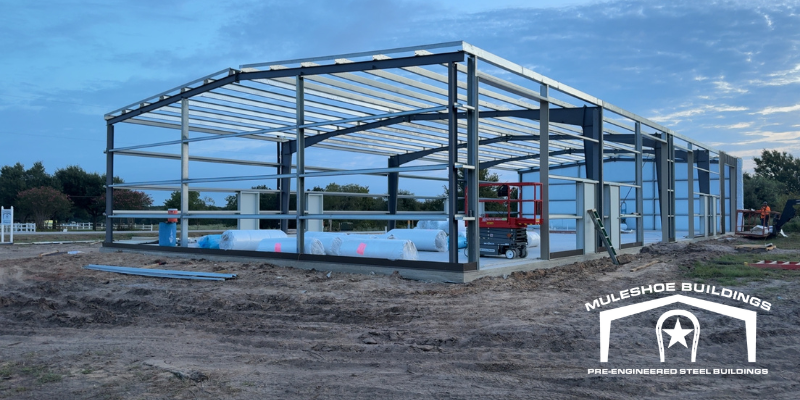
A recent project in Bryan, TX shows how these decisions translate into performance.
Based on broker analysis:
Net operating income (NOI) supports a $1M+ value.
At a basic level:
When those align, the building can support immediate equity at stabilization.
This outcome is driven by:
It goes beyond the scope of construction.
The ~$136,400 figure reflects the building contract.
Total project cost may also include:
The takeaway is not that every project produces the same result.
It is:
When a building is designed correctly, it can support value beyond construction cost.
This project was completed in just over three months—but that speed was driven by preparation, not chance.
Upfront planning and clear design decisions allowed construction to move efficiently.
Time is part of the return—and it starts before construction begins.
If you are evaluating or planning a flex space project, focus on decisions that directly impact leasing:
Match local demand—not assumptions.
As an example, unit size should reflect what tenants in your market are actually leasing and not what just seems standard on paper.
In the case of our Bryan, TX customer, the layout was designed to support multiple occupants while maintaining usable space within each unit. The goal was not just to divide the building, but to create units that tenants could actually use and lease quickly.
Door placement and usability drive tenant interest.
For instance, roll-up doors, entry points, and layout flow directly impact how tenants operate within the space. Poor access can limit who is willing to lease the building.
In practice, this means thinking through how equipment, materials, and daily operations move through the space along with the visual appeal.
Design for adaptability over time.
As an example, a building that can accommodate different tenant types will lease more consistently over time.
In the Bryan, TX project, the divided layout allowed for multiple tenants, but the real value was in its flexibility: giving the owner options as tenant needs change.
Minimize long-term maintenance and capital costs.
For instance, material choices and structural systems impact not just the initial build—but long-term ownership costs.
A building designed for durability reduces future repairs, limits downtime between tenants, and protects overall returns.
Design for tenants that exist today, not hypothetical ones.
In the case of our Bryan, TX customer, the building was positioned along an active growth corridor with strong demand for small commercial space.
That alignment, between location, layout, and tenant demand, is what ultimately supports leasing, income, and long-term value.
Flex space buildings do not create value by default.
They create value when:
And all of that is determined before construction.
The design planning meeting is where a building becomes an investment strategy.
Before you commit to size, layout, or cost, take the time to evaluate how your building will actually perform.
In a design planning meeting, we walk through:
The goal is simple: align the design with income potential and long-term value.
Muleshoe Building assures satisfaction by crafting steel structures that endure, reflecting integrity, innovation, and superior craftsmanship.
What sets Muleshoe apart is our commitment to Texas-tough, built-to-last metal buildings, transparent communication, and full-turnkey solutions. We deliver lasting value that goes beyond the initial investment, built right, start to finish.


