


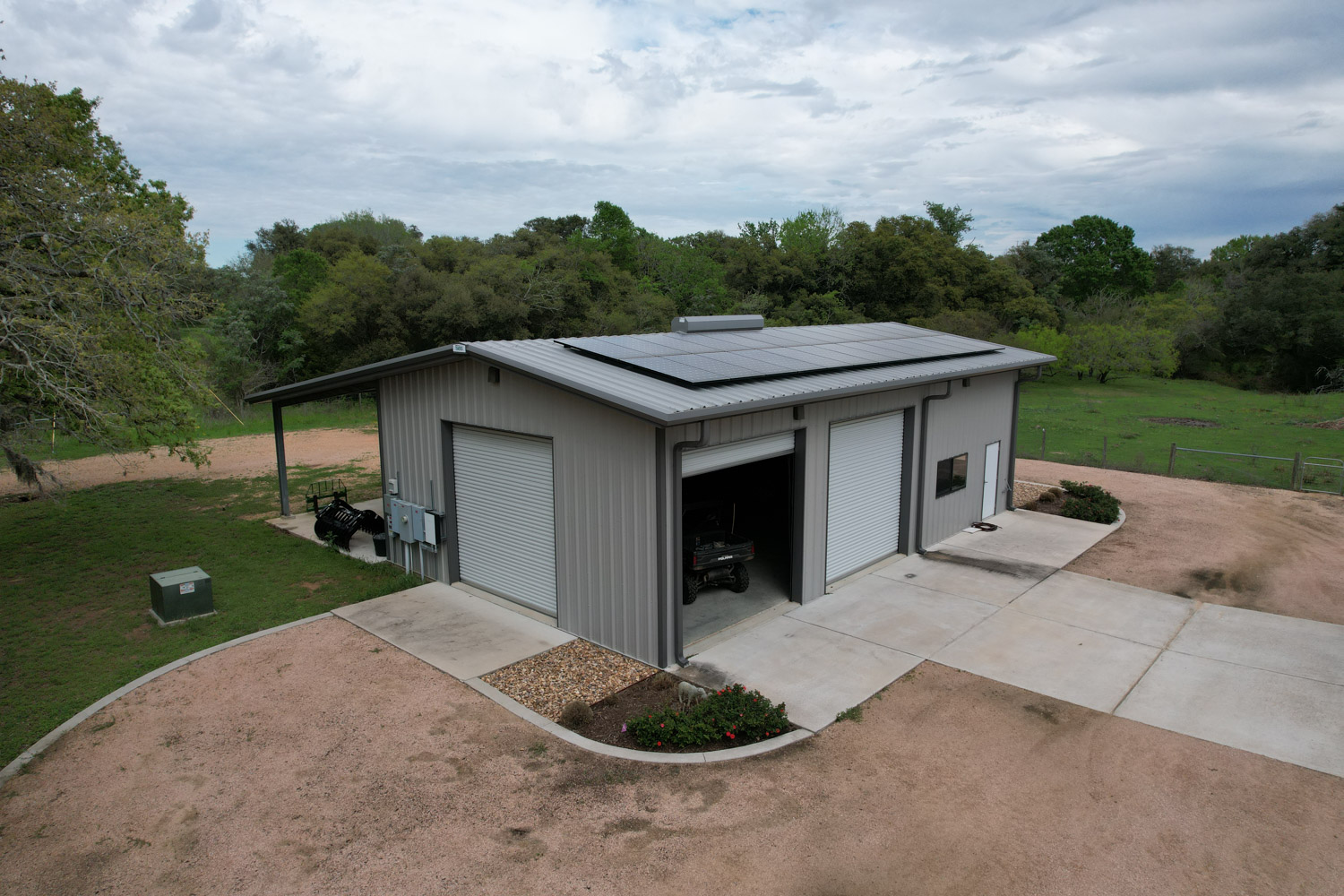


Pre-Engineered Metal Buildings
In-house designed pre-engineered metal buildings developed during the design meeting to match your needs, timeline, and budget, ensuring efficiency, accuracy, and fewer changes from planning through construction.

If you're a landowner planning a metal building—whether it’s a shop, barndominium, or agricultural structure—you’ve probably noticed pricing isn’t as predictable as it used to be.
It’s not just inflation.
Recent changes to U.S. steel tariffs, combined with ongoing market volatility, are influencing how metal buildings are priced across Texas—from rural builds to projects near Houston.
At Muleshoe Buildings, we’ve worked with customers across the Brazos Valley and beyond, helping them navigate these shifts with real numbers—not guesses.
Over the past few years, especially in 2025, steel policy and pricing have shifted in meaningful ways:
These changes don’t just affect raw steel, but how they influence the broader supply chain, including materials used in metal building construction.
Tariffs are taxes placed on imported materials like steel and aluminum.
When those costs increase, they ripple through the market.
In metal building construction, this can affect:
Even when materials are sourced domestically, pricing can still shift due to overall market pressure.
Real Example: One customer saw their 40x60 barn quote increase by $4,800 in just 3 weeks after a $0.22/lb jump in steel pricing.
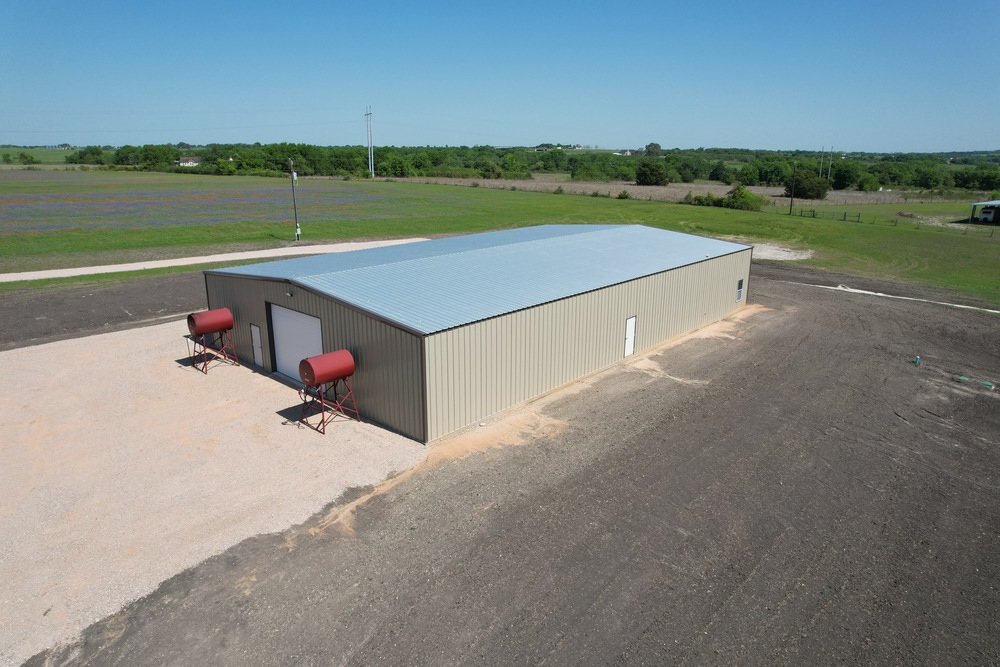
Tariffs don’t show up as a line item on your quote—but they can still impact your final cost.
Here’s how:
Steel markets have been volatile since 2020, with rapid increases followed by partial stabilization—and continued movement into 2026.
That means pricing can change between:
Changes in trade policy can affect availability of certain components, especially specialty items like:
Delays in sourcing can impact both cost and timeline.
When pricing moves, demand often follows.
Customers who wait may face:
While tariffs play a role, they are only one part of the equation.
Metal building pricing is also influenced by:
This is why two similar buildings can have very different total costs.
The most important step isn’t trying to predict the market, but rather controlling what you can.
Unclear scope leads to revisions; and revisions often lead to re-pricing.
Delays between design, quoting, and ordering can expose your project to changing costs.
Make sure your estimate clearly outlines:
Elevation, drainage, access, and dirt work can impact cost just as much as materials.
Changes after quoting—especially structural ones—can trigger updated pricing based on current market conditions.
No. They are one factor among many. Market conditions, demand, and project timing often have a larger impact.
Yes. Even U.S.-produced steel can be affected by broader market pricing shifts.
Quotes are based on current material costs and availability. If your project scope changes—or if enough time passes—pricing may need to be updated.
Pay close attention to:
These details matter just as much as the total price.
Change orders can trigger re-pricing of materials and labor.
In a volatile market, even small changes can result in updated costs—especially if they affect structural components or material quantities.
Not entirely. But you can reduce risk by:
Tariffs are part of the story—but they’re not the whole story.
The real driver behind rising costs is uncertainty.
At Muleshoe Buildings, we don’t rely on rough estimates. We walk your land, evaluate your site, and help you understand the full scope of your project—so you can make informed decisions with confidence. Our steel buildings that are built to Texas specs and timelines.
Whether you're planning a shop, barndominium, or agricultural building in Houston or anywhere across Texas, the best way to stay ahead of pricing changes is to start with accurate information.
Muleshoe Building assures satisfaction by crafting steel structures that endure, reflecting integrity, innovation, and superior craftsmanship.
What sets Muleshoe apart is our commitment to Texas-tough, built-to-last metal buildings, transparent communication, and full-turnkey solutions. We deliver lasting value that goes beyond the initial investment, built right, start to finish.


