


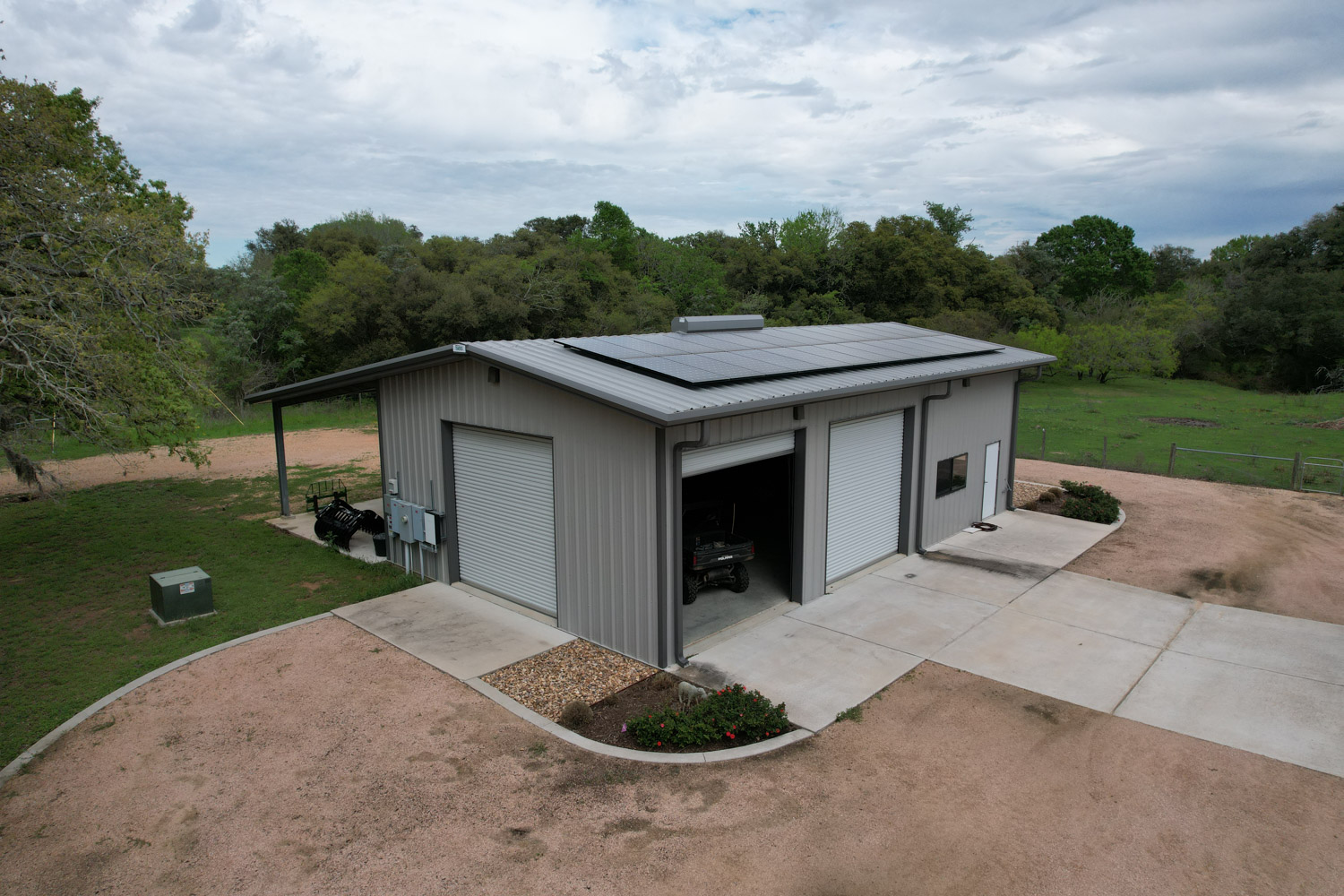


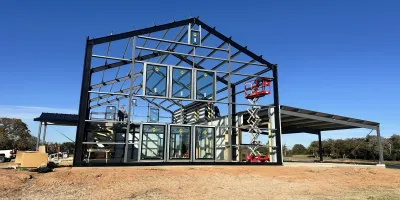


Pre-Engineered Metal Buildings
In-house designed pre-engineered metal buildings developed during the design meeting to match your needs, timeline, and budget, ensuring efficiency, accuracy, and fewer changes from planning through construction.

Most building quotes look similar at first glance. They might be the same size. They might serve the same purpose. In some cases, they may even be priced within a close range. But what sits behind those numbers can be completely different.
Two buildings can look the same on paper and still perform very differently over time.
The difference comes down to one question:
Was the building engineered as a complete system, or was it adjusted piece by piece to meet a price?
A properly designed metal building is a coordinated system where each component is selected and designed to work together from the beginning.
That includes the primary steel structure, the secondary framing, the panels, and even the fasteners and connections. When those elements are aligned up front, the building performs the way it was intended, because nothing is left to chance.
When a building is pieced together, the process usually works in reverse. Instead of starting with a complete design, components are adjusted along the way to meet a number. Materials may come from different sources and decisions are often made as the project moves forward rather than being defined at the start.
On paper, both approaches can look similar. In reality, they are not. Industry research consistently shows that incomplete scope, evolving site conditions, and late-stage design decisions are among the leading causes of cost overruns in construction projects.
The difference between quotes does not always show up in size or layout. It shows up in how much of the building has been defined.
In some quotes, the structure is clearly laid out, but many of the connections, transitions, and finishes are assumed. Those parts of the building still exist, but they are not fully detailed upfront.
In others, those same components are defined as part of the system.
That includes items like rake trim, head trim, jamb trim, corners, gutters, downspouts, and the details around doors and openings. It also includes how the roof system is designed and how water is managed across the building.
Those are not minor accessories. They are the points where the building comes together.
When those elements are defined, the building becomes a coordinated system where each part has a purpose and a place.
Material choices reflect that as well.
Structural steel can be supplied as red iron or galvanized. Red iron is standard and widely used. It performs well when the building is properly enclosed and maintained.
Pre-galvanized steel adds another level of protection. The coating helps resist corrosion over time, particularly in environments where moisture and temperature changes are present.
Some buildings include insulation only. Others include a vapor barrier as part of the system. A vapor barrier helps control how moisture moves through the building and reduces condensation on the underside of metal panels.
These decisions are not always highlighted in a quote, but they affect how the building performs over time.
When more of the building is defined upfront, there are fewer assumptions, fewer field decisions, and a clearer path from design to completion.
One of the most common mistakes people make when comparing metal building pricing is assuming square footage tells the full story.
At first glance, using a price-per-square-foot number seems straightforward. A larger building should cost more than a smaller one.
In reality, project pricing is rarely that simple.
Square footage can help create a rough early-stage planning number, but it does not define the final project cost on its own.
Two buildings with similar square footage can have dramatically different pricing depending on how the project is designed, how much of the scope has been defined, and what the building is expected to do long term.
A basic storage structure and a future office building may appear similar in size while requiring completely different levels of planning, infrastructure, materials, and construction scope.
The difference often comes down to what is included in the project from the beginning.
That can include:
These are not small additions added at the end of a project. They directly affect how the building performs, how the project functions, and how predictable the construction process becomes.
This is one reason why early pricing numbers should only be used as ballpark planning figures.
The more of the project that is intentionally defined upfront, the more realistic the pricing becomes.
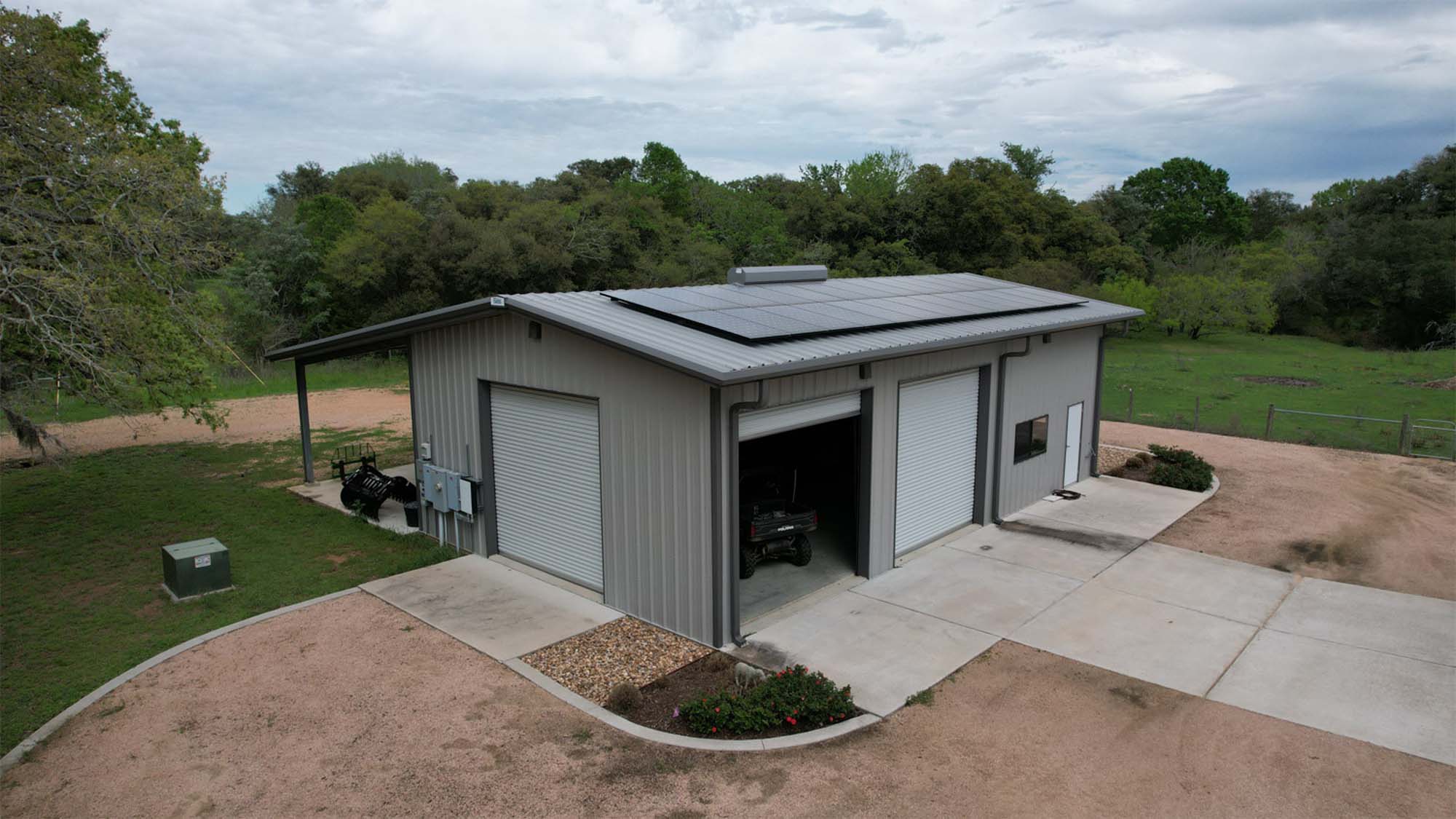
We see this misunderstanding happen often when buyers compare projects based only on size.
For example, a larger flex space warehouse project may still cost less than a smaller office-focused project depending on the level of infrastructure and long-term functionality being built into the structure.
A commercial office building may require:
Meanwhile, a larger agricultural or equipment storage building may prioritize open-span functionality and operational durability instead of interior finish systems and future utility planning.
The intended use of the building changes the entire project scope.
The same concept applies to residential metal buildings and barndominiums.
A residential-focused project may include:
This is why two buildings can look similar in size on paper while carrying completely different project costs in reality.
The difference is not just the building itself, but how much of the project has been intentionally defined before construction begins.
Ballpark pricing can still be useful during the early planning stages of a project. It can help establish general expectations before moving into site evaluation, design discussions, and full project planning.
But ballpark pricing should never be confused with final project pricing.
Site conditions, drainage requirements, access limitations, concrete scope, utility planning, and construction details can all significantly affect total project cost.
That gap between an early planning number and a fully defined project is where many unexpected costs appear.
The ultimate goal is to define the project clearly enough that pricing reflects the realities of construction before work begins. (Ask your Muleshoe Building Specialist for a copy of a pricing catalog of our previous projects.)
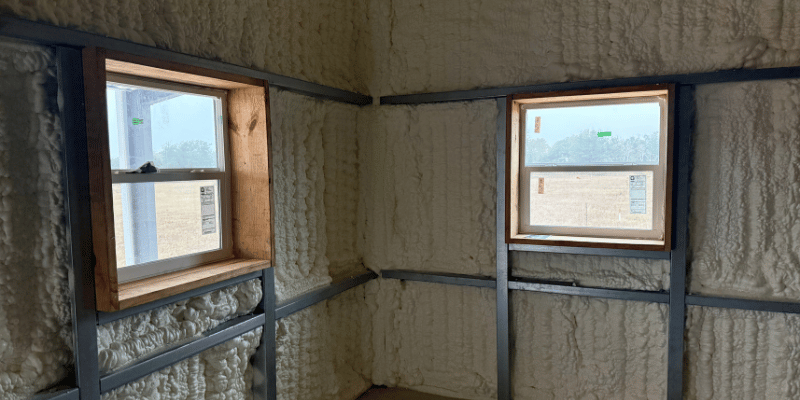
In one comparison, we looked at two quotes for the same size building with the same intended use. Instead of relying on a standard red iron system with basic insulation, we specified pre-galvanized framing and incorporated a vapor barrier as part of the insulation system. This upgrade directly impacts how the building responds to moisture, temperature changes, and long-term exposure.
We also defined the areas where buildings typically rely on field decisions.
Trim systems, panel transitions, openings, and connection details were identified upfront rather than being resolved during installation. That reduces variability in how the building is assembled and ensures that critical points such, as corners, penetrations, and interfaces, are handled consistently.
The same applies to scope.
Rather than separating the structure from the rest of the project, we defined key components such as concrete, erection, openings, and anchoring as part of the overall system. Each of those elements affects how the building performs and how the project progresses.
When those pieces are not defined and priced upfront, they do not go away. They are simply addressed later, often under time pressure and with less control over cost and outcome.
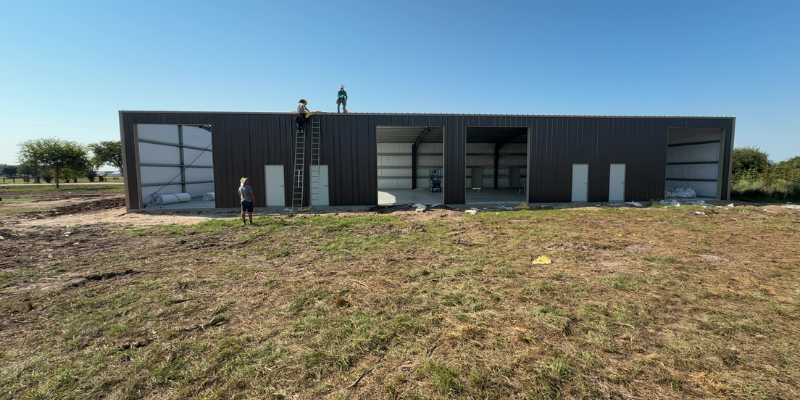
A building package is only one part of the total project. Across most metal building projects:
When those pieces are not included in the initial number, the quote appears lower or more defined than it actually is. That gap eventually shows.While paying more now may seem significant at first, that number needs to be viewed in the context of how the building performs over time.
In one recent project in Bryan, Texas, a building constructed for approximately $136,000 was designed around tenant demand, layout efficiency, and long-term usability. Today, that property is fully leased and generating roughly $84,000 in annual rent.
Based on that income, the property supports a valuation in the range of $970,000 to $1.4 million at typical market cap rates.
Decisions around layout, access, durability, and long-term performance all contribute to how the building functions in the market.
The difference is in how the building performs as an asset.
When a building is designed as a complete system, the numbers align more closely with reality because the full scope has been defined upfront.
When a building is priced in parts, the number reflects only what has been included so far. The rest of the cost is still real, but it has not been defined yet.
Uncertainty shows up when foundation costs are added later, erection pricing is introduced, and when site conditions require additional work.
That gap between the building price and the total project cost is where most projects shift.
Two buildings can look the same in a quote. They can be similar in size, similar in appearance, and even priced differently.
But they are not always defining the same thing.
And that difference usually does not show up until the project is already underway.
Muleshoe Building assures satisfaction by crafting steel structures that endure, reflecting integrity, innovation, and superior craftsmanship.
What sets Muleshoe apart is our commitment to Texas-tough, built-to-last metal buildings, transparent communication, and full-turnkey solutions. We deliver lasting value that goes beyond the initial investment, built right, start to finish.


