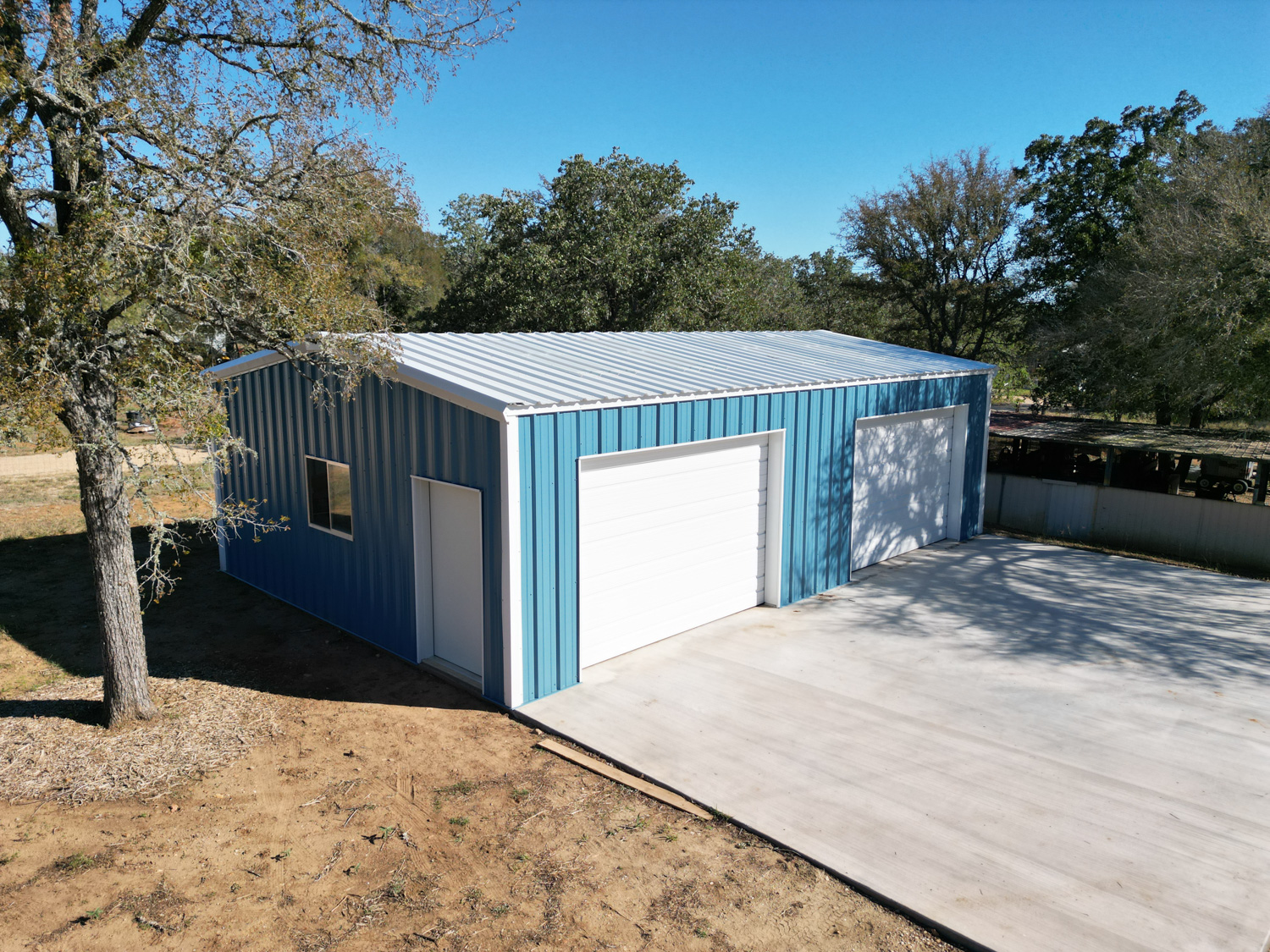
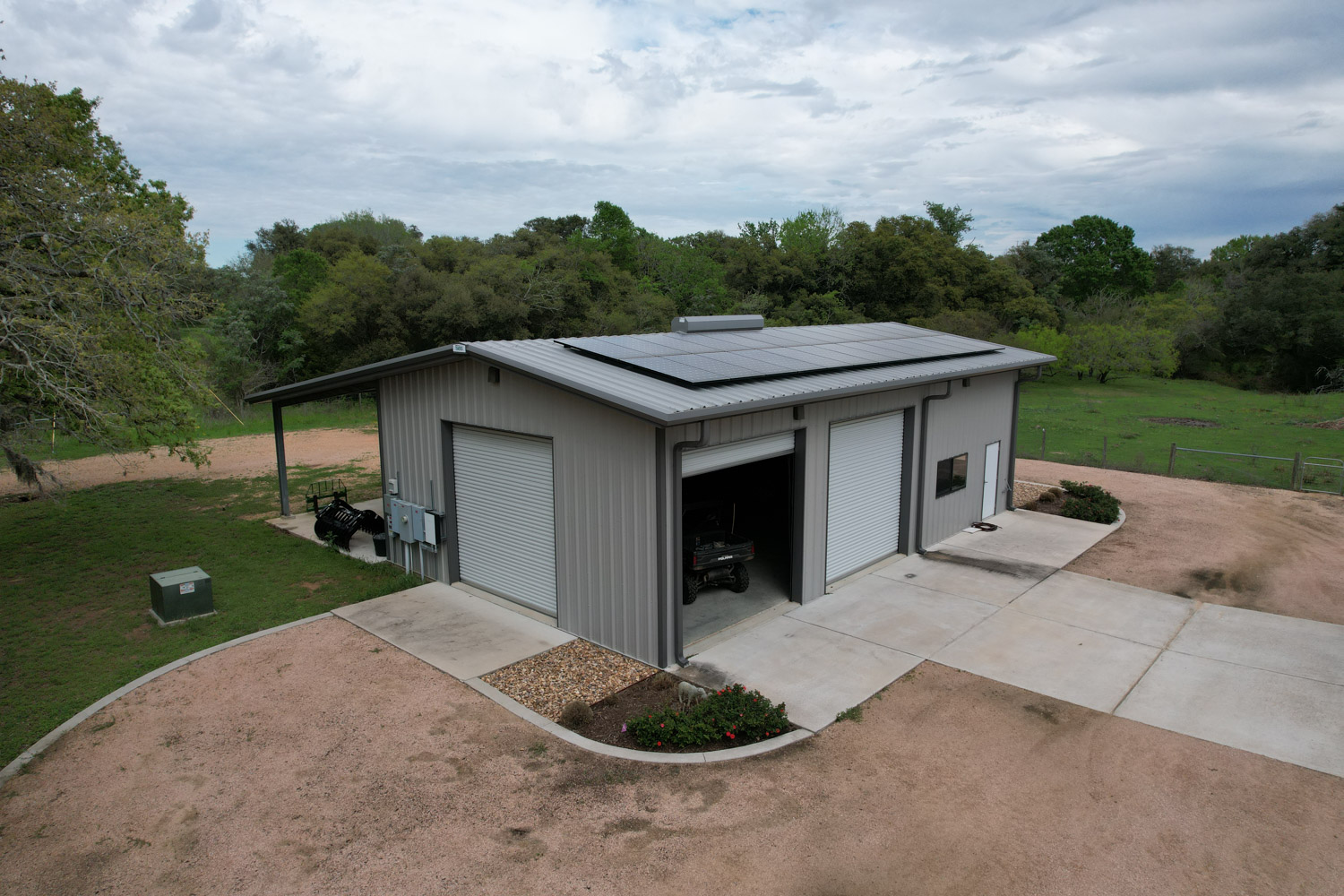
Top Barndominium Design Trends We're Seeing in Texas
Barndominiums have grown from an obscure concept to one of the hottest residential trends in Texas—and for good reason. They blend rugged functionality with modern living, creating spaces that are both practical and pretty. Whether you’re planning your future barndo or just exploring ideas, here are the top design trends we’re seeing across Texas.
What “Pre-Engineered” Actually Means—and Why It Matters
“Pre-engineered” is one of those terms you hear a lot in construction—especially with metal buildings—but rarely see explained clearly. And yet, understanding what it really means can make the difference between a building that simply goes up… and one that delivers lasting value for decades.
So let’s break it down.
Cold Cell vs. Open Cell Spray Foam Insulation: What’s the Difference?
When planning a barndominium or pre-engineered metal building, insulation is one of the most important decisions you’ll make. The right insulation impacts energy efficiency, comfort, durability, and long-term operating costs. Two of the most common options are open cell and closed cell (often called “cold cell”) spray foam.
While both are spray-applied foam insulations, they perform very diffe…
Cold-Form vs. Rigid-Frame Metal Buildings: What’s the Difference & Which Is Best for Your Project?
When you’re planning for a new metal building, one of the first decisions is choosing the right building type. Two of the most common options are cold-form and rigid-frame (pre-engineered steel) buildings. Each structure is designed differently and shines in different applications—so knowing the difference helps you make the right investment.
Built to Weather the Storm: Can Pre-Engineered Metal Buildings Meet Wind Requirements with Strength and Precision?
When you’re investing in a barndominium, shop, barn, or commercial facility, one of the most important questions to ask is simple: Will this building stand strong when the gulf coast wind picks up?
With pre-engineered metal buildings (PEMBs), the answer is a confident yes—because every structure is designed to meet strict wind requirements and building codes specific to your location.