


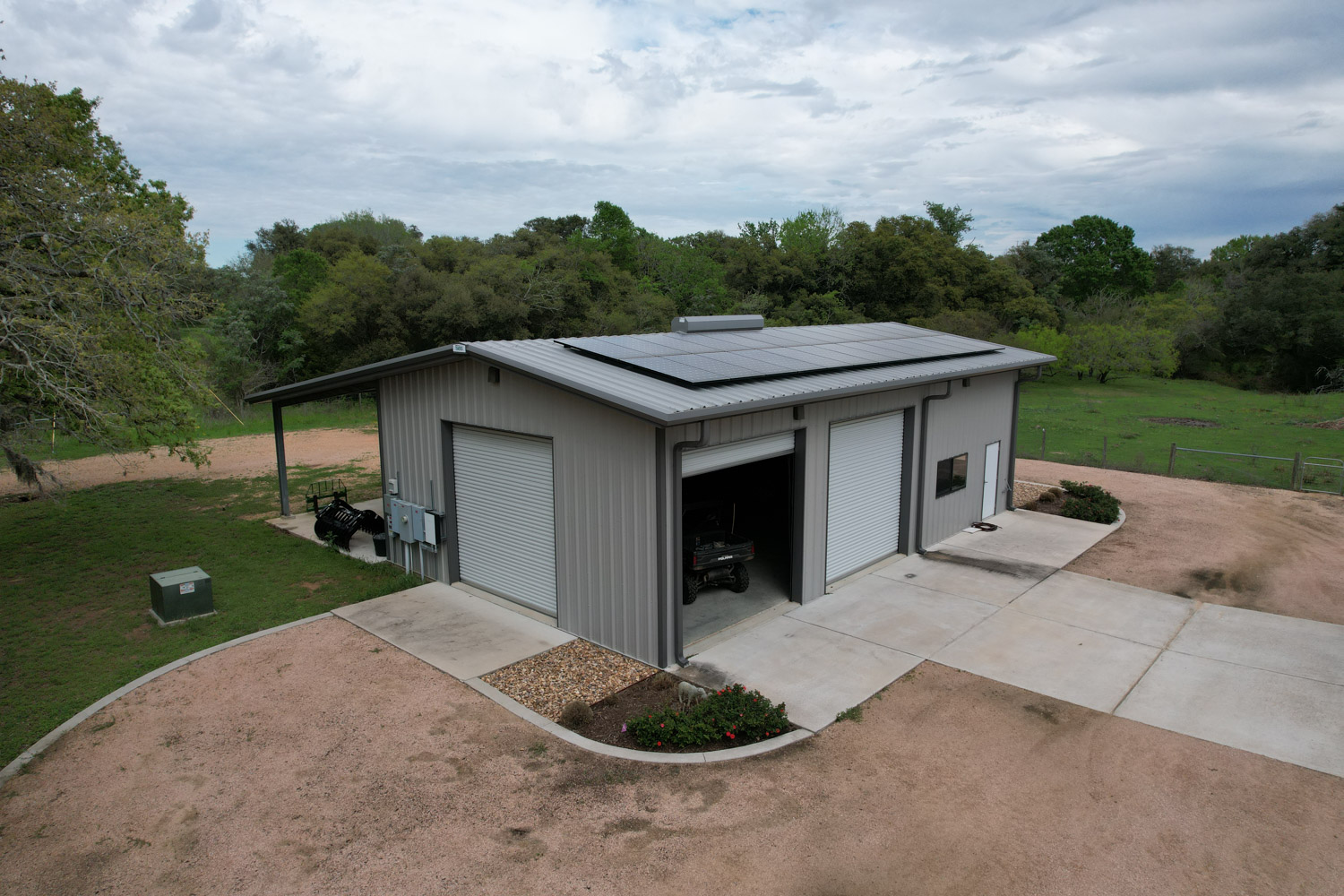


Pre-Engineered Metal Buildings
In-house designed pre-engineered metal buildings developed during the design meeting to match your needs, timeline, and budget, ensuring efficiency, accuracy, and fewer changes from planning through construction.

Most people think getting a metal building quote starts with size and price per square foot. It doesn’t. It starts with your land.
Before we walk through what happens during a site visit, it’s important to understand this:
Two buildings with the same dimensions can have completely different costs because of slope, drainage, access, and how the building is positioned on your property.
That’s why the site visit is one of the most important steps in the entire process.
If you understand what’s actually happening during that visit, you’ll get a more accurate quote and avoid costly surprises later.
Before anything else, we confirm the appointment details and site location. This quick step helps ensure everything runs smoothly so when we arrive, we can focus entirely on your project. It also allows us to verify directions, access points, and any last-minute details that could impact the visit.
One of the first things we do is help you determine where your building should go. Most customers don’t have an exact location in mind and that’s completely normal.
We’ll typically ask:
From there, we evaluate:
While placement is important, this step is more about making sure your building works for how you plan to use it.
Next, we stake out a rough footprint of your building on the ground.
This helps us visualize:
But here’s what most people don’t realize:
This layout is not final.
It’s common to adjust placement multiple times during the same visit. We don’t drive stakes permanently at this stage because the goal is to explore the best option as opposed to lock in a decision too early .
This is a collaborative process.
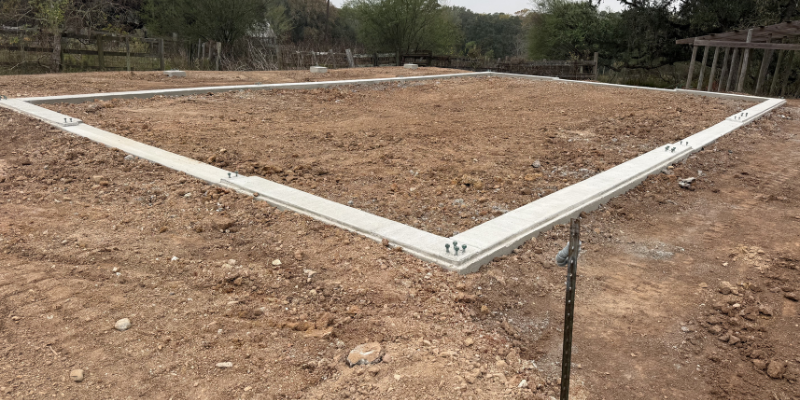
Once we establish the general layout, we make sure the building is square.
This involves:
Even small errors here can impact construction later, so this step ensures your building starts with a precise foundation.
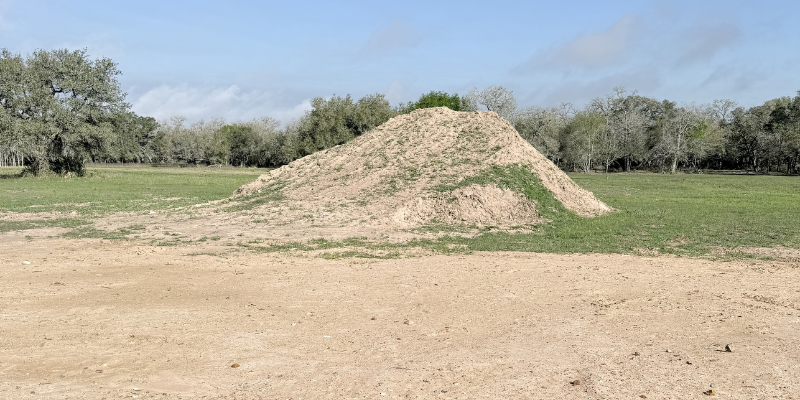
This is one of the most important parts of the site visit—and one of the biggest factors in your final price.
We use a transit (laser level) to measure elevation at each corner of the building.
Why this matters:
We may also take additional measurements across the site to understand how the land changes overall. This is where an estimate becomes real.
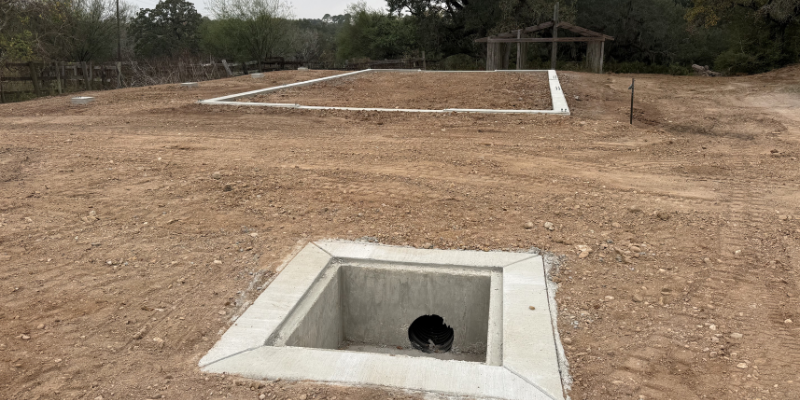
Water management is critical.
We look at how water moves across your property and ask a simple question:
Key considerations:
In most cases, we recommend the finished floor be at least 6 to 12 inches above the surrounding grade to prevent water intrusion .
Getting this wrong can lead to flooding, erosion, and costly fixes later.
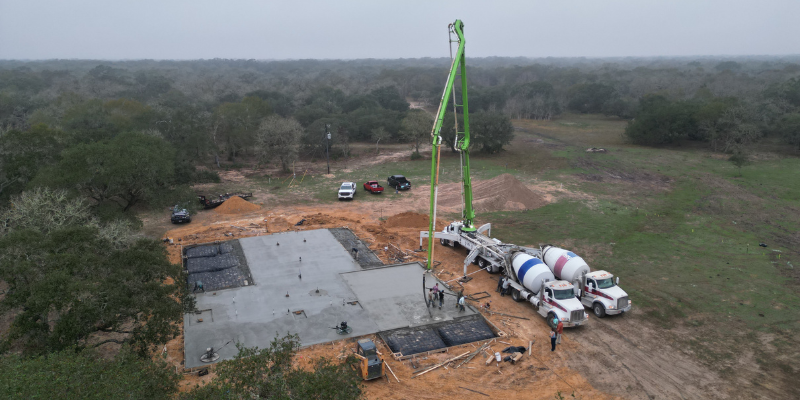
We also evaluate the practical realities of building on your property.
Access
Soil
Feasibility
Not all sites are equal—and some require more preparation than others.
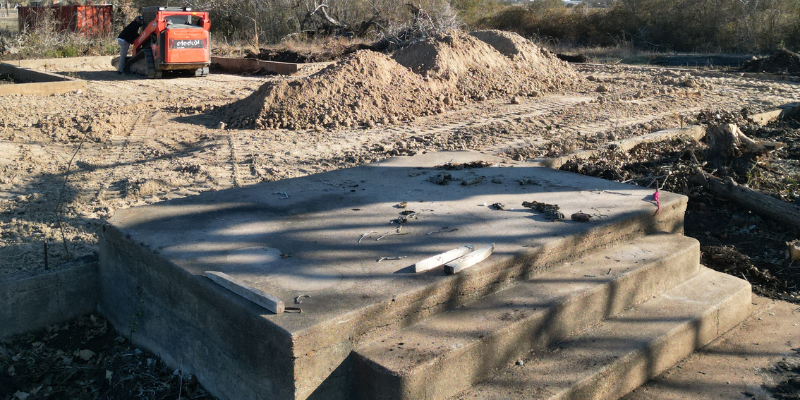
One of the biggest misconceptions is thinking you can minimize site work upfront to save money.
You can build a pad with minimal preparation and still get the building up.
But you’ll pay for it later.
Without proper grading and slope:
In reality, you’re not avoiding the cost—you’re delaying it .
Doing it right upfront makes the entire process smoother.
After a site visit, you will have a much better understanding of your project and investment.
You get:
This is the difference between a rough estimate and a reliable quote.
If you're planning to finance your project, understanding your total cost is critical. Lenders don’t just look at the building, but rather the full project.
Without evaluating your site, it’s difficult to budget accurately or choose the right financing option.
Most quotes are based on assumptions. Ours are based on your land.
A site visit allows us to:
We’ll walk your property, evaluate your land, and give you pricing based on actual conditions.
Muleshoe Building assures satisfaction by crafting steel structures that endure, reflecting integrity, innovation, and superior craftsmanship.
What sets Muleshoe apart is our commitment to Texas-tough, built-to-last metal buildings, transparent communication, and full-turnkey solutions. We deliver lasting value that goes beyond the initial investment, built right, start to finish.


