


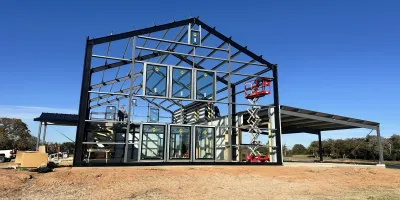
Pre-Engineered Metal Buildings
In-house designed pre-engineered metal buildings developed during the design meeting to match your needs, timeline, and budget, ensuring efficiency, accuracy, and fewer changes from planning through construction.

When planning a new metal building in Texas—whether it’s a shop, barn, or commercial space—one of the first choices you’ll face is bolt-up vs. weld-up construction. While both options use durable steel framing, they differ greatly in design, assembly, and long-term performance.
If you’re comparing Texas metal buildings or researching Houston metal buildings, understanding these two building methods will help you make a smart investment for your property.
A weld-up metal building (also called a “field-welded” structure) is built directly on-site. The steel framing is cut, measured, and welded together during construction—usually without factory-engineered plans.
Advantages:
Disadvantages:
A bolt-up metal building, also known as a pre-engineered metal building (PEMB), is designed, cut, and drilled at the factory before shipping to your job site. Each component arrives labeled and ready to assemble—like a precision steel kit.
Advantages:
Disadvantages:
| Feature | Bolt-Up Metal Building | Weld-Up Metal Building |
| Design & Fabrication | Pre-engineered at factory | Cut & welded on-site |
| Engineering | Professionally stamped | Often not engineered |
| Assembly Time | Fast and efficient | Slow and labor-intensive |
| Permitting Ease | Meets Texas & Houston codes | Can be difficult to permit |
| Durability | Factory-coated, corrosion-resistant | Depends on on-site welding quality |
| Maintenance | Minimal | Requires frequent repainting or repair |
| Ideal For | Barndominiums, shops, barns, warehouses, commercial buildings | Small, non-permitted structures |
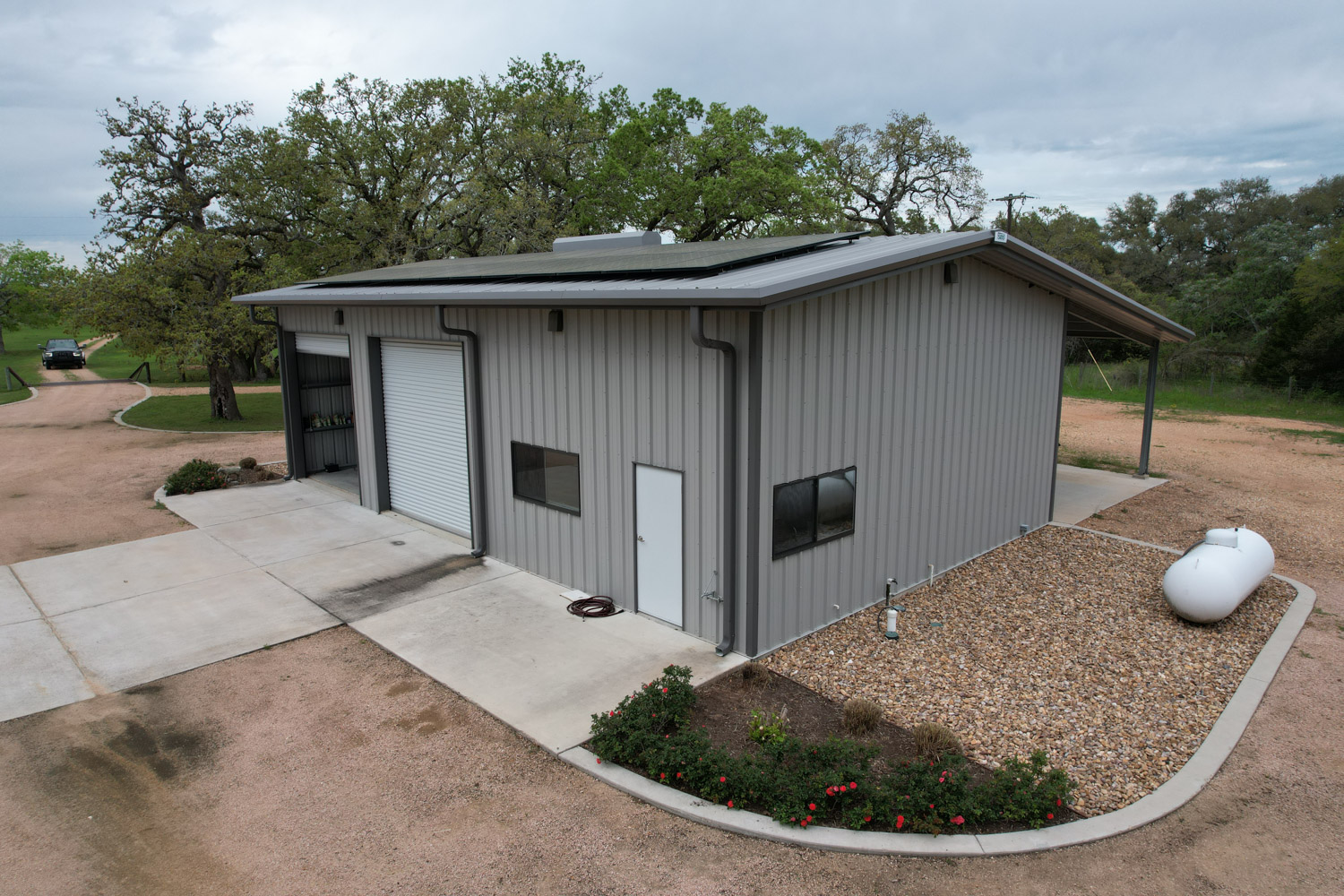
At Muleshoe Buildings, we’ve seen firsthand why more customers across Texas and Houston are turning to bolt-up pre-engineered metal buildings. They offer dependable quality, faster installation, and peace of mind knowing your structure is engineered to perform.
Whether you’re building a custom steel shop, agricultural barn, or commercial warehouse, bolt-up systems deliver long-term value and compliance with local regulations.
Both weld-up and bolt-up metal buildings have their place—but for long-lasting performance, easy permitting, and engineered strength, bolt-up systems are the clear winner for live-in situations.
When you choose a Muleshoe Buildings bolt-up structure, you’re investing in Texas-built quality, backed by experts who understand your needs and the quality it takes to last.
Muleshoe Building assures satisfaction by crafting steel structures that endure, reflecting integrity, innovation, and superior craftsmanship.
What sets Muleshoe apart is our commitment to Texas-tough, built-to-last metal buildings, transparent communication, and full-turnkey solutions. We deliver lasting value that goes beyond the initial investment, built right, start to finish.


