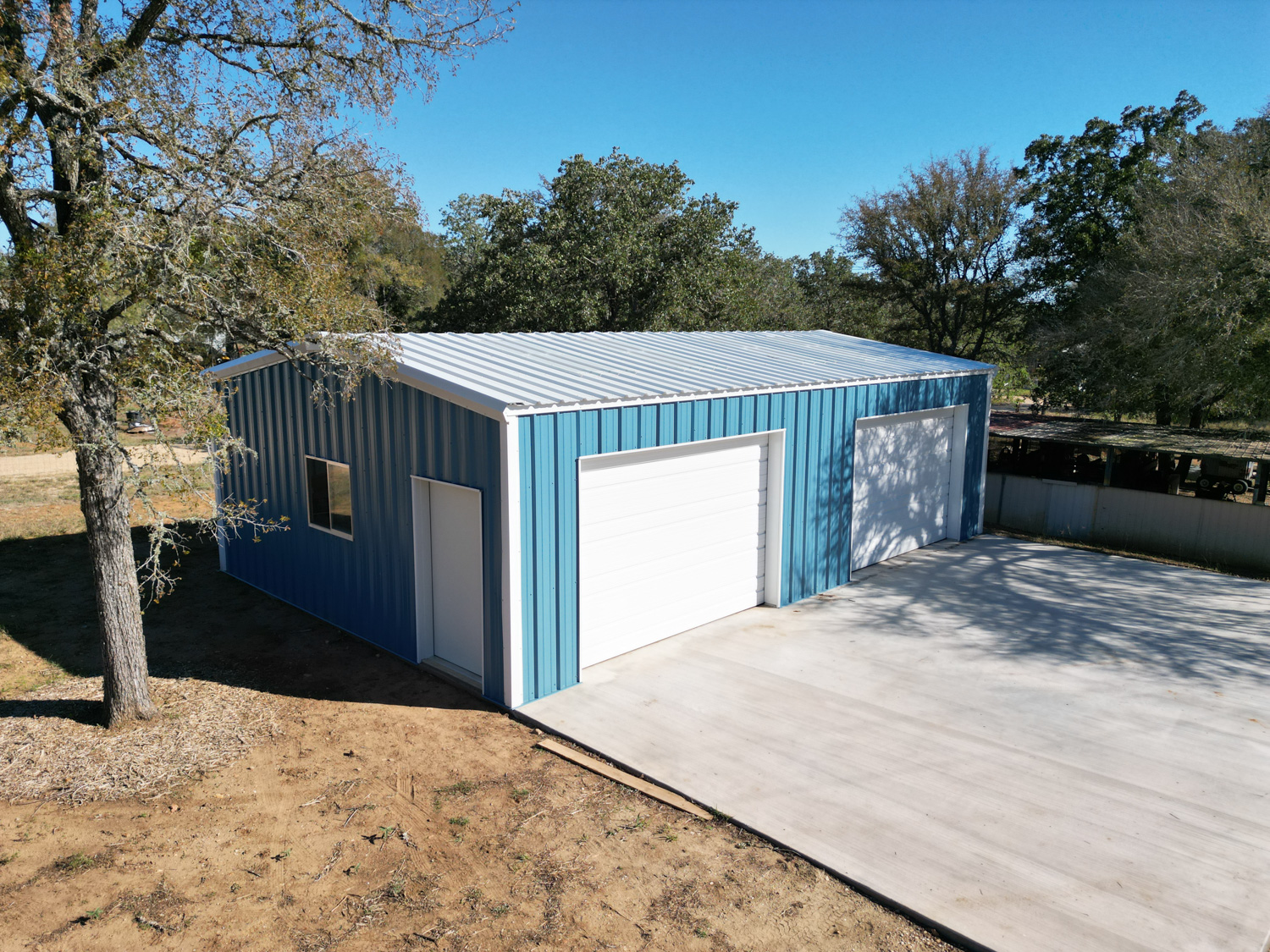
images/blog/Houston_Metal_Building_.jpg#joomlaImage://local-images/blog/Houston_Metal_Building_.jpg?width=2240&height=1260

Cold-Form vs. Rigid-Frame Metal Buildings: What’s the Difference & Which Is Best for Your Project?

When you’re planning for a new metal building, one of the first decisions is choosing the right building type. Two of the most common options are cold-form and rigid-frame (pre-engineered steel) buildings. Each structure is designed differently and shines in different applications—so knowing the difference helps you make the right investment.


What is a cold-form Metal building?

Cold-form structures are made from light-gauge steel that’s shaped at room temperature using rollers. These pieces are thinner, lighter, and bolted together on-site to form the frame.

Best For:

  • Small to medium-sized buildings (typically under 40–50 ft. wide)

  • Shops, small garages, storage buildings, and small barns

  • Budget-focused projects

  • Quick installations

Pros:

  • Lower material cost

  • Lightweight components

  • Faster lead times

  • Good for simple layouts

Considerations:

Cold-form buildings have size limitations and are not ideal for heavy loads, large clear spans, or strict engineering requirements.


What is a rigid-frame metal building?

Rigid-frame buildings are made from hot-rolled, structural steel I-beams designed and engineered to handle larger loads, longer spans, and more complex building needs. This is what most people think of when they hear pre-engineered metal building (PEMB).

Best For:

  • Large shops and warehouses

  • Barndominiums and residential builds

  • Commercial, industrial, and agricultural facilities

  • Buildings needing wide clear spans (50–200+ ft.)

  • Areas with strict windstorm or snow-load requirements

Pros:

  • Maximum strength and durability

  • Larger, open interiors with no interior columns

  • Ideal for add-ons like mezzanines, lean-tos, and overhead cranes

  • Engineered for demanding wind and load conditions

Considerations:

Rigid-frame buildings require a higher upfront investment but deliver long-term strength and performance.


WHICH ONE SHOULD YOU CHOOSE?

If your project is small, simple, and budget-driven, a cold-form building may be all you need. If your project requires size, strength, customization, or engineered performance, a rigid-frame pre-engineered building is the superior choice every time.  Visit with one of our Building Specialists to help determine which type of pre-engineered metal building fits your needs. 

Check Out More News!

Built to Weather the Storm: Can Pre-Engineered Metal Buildings Meet Wind Requirements with Strength and Precision?

Built to Weather the Storm: Can Pre-Engineered Metal Buildings Meet Wind Requirements with Strength and Precision?

Steel Building Under Construction - Muleshoe Buildings

How Tariffs are Driving Up the Price of Metal Buildings in Texas

Why More People Are Choosing Steel & Metal Homes: 7 Big Advantages - Muleshoe Buildings

Why More People Are Choosing Steel & Metal Homes: 7 Big Advantages

Our Steel-Clad Guarantee

Muleshoe Building assures satisfaction by crafting steel structures that endure, reflecting integrity, innovation, and superior craftsmanship.

What sets Muleshoe apart is our commitment to Texas-tough, built-to-last metal buildings, transparent communication, and full-turnkey solutions. We deliver lasting value that goes beyond the initial investment, built right, start to finish.

2 Years Workmanship Warranty

All Applicable Manufacturer Warranties

40 year structural & panel warranties

Areas Branded With Muleshoe Steel